Completed
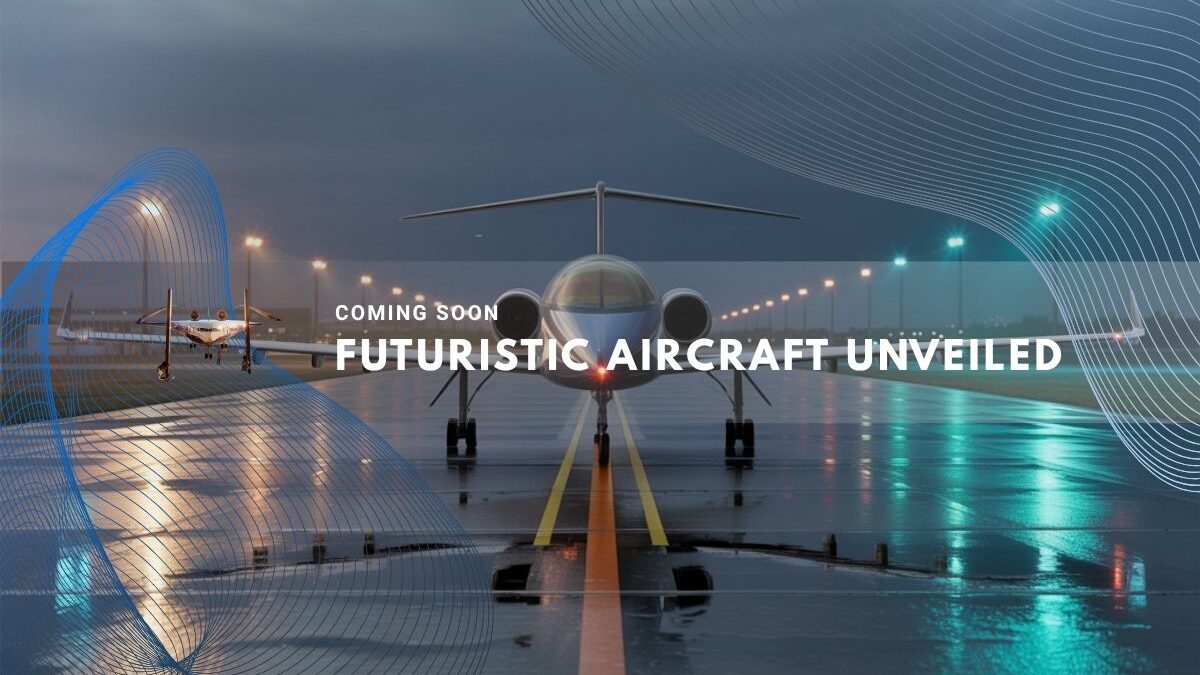
Sleek modern jet on a wet runway illuminated by evening lights
UPDATED Selective US

Blended Wing Body Aircraft Fuel Efficient and Spacious

New aircraft concept could reshape travel

A futuristic aircraft design aims to transform air travel, but experts warn of significant hurdles to overcome. The project, backed by ambitious engineers, includes plans for diverse models, from drones to airliners, with economic viability as a central concern.

  • Futuristic aircraft designs planned
  • Industry optimism tempered by challenges
  • New models include drones and jets
  • Experts stress need for realism
  • Seattle has a strong aerospace talent pool
  • Long-term plans extend to 2040s

Blended wing body aircraft are a major innovation, offering body aircraft fuel efficient and spacious designs. Startups target body aircraft commercial and aircraft commercial airliners expected in commercial airliners 2030s, making airliners 2030s more efficient and enhancing passenger experience.

Confirmed Key Advantages and Industry Momentum

  • Up to 50% fuel savings and emissions reduction, supported by NASA research and industry tests.[1][2]
  • Approximately 40% larger interior volume compared to traditional tube-and-wing airliners, allowing more flexible cabin layouts and cargo space.[10]
  • Strong government and industry partnerships, including $235 million in U.S. Air Force funding for JetZero, alongside investments from United Airlines and Alaska Airlines.

Passenger Experience Challenges and Considerations

  • Window Availability and Lighting: Wide, flattened fuselage means fewer traditional windows; innovative designs are required to provide natural light to passengers.[3][4]
  • Cabin Pressurization: Non-cylindrical cabin shapes create engineering challenges for safe pressurization, requiring advanced structural solutions distinct from conventional aircraft.
  • Passenger Comfort and Motion: Seating position relative to aircraft extremities affects acceleration forces felt, impacting comfort.
  • Boarding Efficiency: New cabin layouts might require rethinking boarding and turnaround procedures to maintain airline operational efficiency.
  • Accessibility and Inclusivity: Early-stage designs incorporate accessibility from the ground up, addressing mobility and evacuation requirements.[6]

Airport Infrastructure Adaptability and Ground Operations

  • BWB designs’ wider frames prompt caution for airport gate compatibility and taxiway clearances.[7]
  • Research indicates that modest adjustments in ground handling and gate design (such as repositioned jet bridges) can integrate BWB aircraft without major terminal reconstruction.[8]
  • Ongoing cooperation among manufacturers, airlines, and airport authorities is vital for smooth infrastructure adaptation.[11]

Advances in Manufacturing and Certification Progress

  • Use of advanced composite materials and 3D printing accelerates prototyping and reduces production costs.[9]
  • Subscale demonstrators like Outbound’s Steve and JetZero Pathfinder validate flight control and aerodynamic performance.
  • Certification remains a significant hurdle; the novel geometry requires extensive testing to meet safety standards.
Luca Fischer

Luca Fischer

Senior Technology Journalist

United States – New York Tech

Luca Fischer is a senior technology journalist with more than twelve years of professional experience specializing in artificial intelligence, cybersecurity, and consumer electronics. L. Fischer earned his M.S. in Computer Science from Columbia University in 2011, where he developed a strong foundation in data science and network security before transitioning into tech media. Throughout his career, Luca has been recognized for his clear, analytical approach to explaining complex technologies. His in-depth articles explore how AI innovations, privacy frameworks, and next-generation devices impact both industry and society. Luca’s work has appeared across leading digital publications, where he delivers detailed reviews, investigative reports, and feature analyses on major players such as Google, Microsoft, Nvidia, AMD, Intel, OpenAI, Anthropic, and Perplexity AI. Beyond writing, he mentors young journalists entering the AI-tech field and advocates for transparent, ethical technology communication. His goal is to make the future of technology understandable and responsible for everyone.

296
Articles
4.1K
Views
26
Shares
BBC News

Bbc news

Primary Source

No coverage areas yet

BBC News is the BBC’s global newsgathering Across TV Radio and Online Network machine, pumping 120 hours of fresh content every 24 hours into ten TV channels, 40 national radio stations, 27 foreign-language services, and the planet’s most-visited news website. From its central London hub at Broadcasting House and 70 bureaus ranging from Washington to Wuhan 2,500 journalists file simultaneous feeds: a radio two-way for Today, a 4K drone package for BBC One, a TikTok explainer, and a 280-character alert, all before the next bulletin clock ticks over. A real-time “hub and spokes” system lets a stringer in Nairobi upload video via bonded-cellular backpacks; within minutes the clip is translated, verified by a second source, and pushed to 450 million weekly consumers in 40 languages. Editorial guidelines mandate two corroborations, a senior-editor sign-off, and a “right of reply” protocol, yet the output still beats most wire services on speed. Whether it’s a royal coronation, a central-bank surprise, or a Mars landing, BBC News is the audible heartbeat the world unconsciously syncs its watch to.

96
Articles
1.4K
Views
0
Shares
Leander Ungeheuer

Leander Ungeheuer

Fact-Checking

Business Entertainment Sports News Tech

Leander Ungeheuer is a technology journalist and contributor with 4 years of experience covering consumer tech, video games, and digital privacy. He is known for hands-on product testing, detailed reviews, and clear, transparent reporting. He earned his B.S. in Computer Science from the University of Texas at Austin (2020), where he developed a strong foundation in software, hardware, and emerging digital technologies. Leander specializes in providing insightful analyses of tech products, gaming platforms, and online privacy tools, helping readers make informed decisions in the digital world. His reporting emphasizes transparency, with clear disclosures of review samples, sponsorships, and testing methodologies. Based in Bangalore, India, he contributes to Faharas NET, producing reviews, comparisons, and digital culture features across tech platforms such as Google, Nvidia, Microsoft, Xbox, Android, Nintendo, and popular social and gaming networks.

0
Articles
0
Views
0
Shares
83
Reviews

Editorial Timeline

Revisions
— by Leander Ungeheuer
Initial publication.

Correction Record

Accountability
— by Leander Ungeheuer
  1. Added detailed industry funding and partnership data
  2. Updated fuel efficiency and emissions reduction figures
  3. Included passenger experience challenges and solutions
  4. Expanded on cabin pressurization engineering issues
  5. Described airport infrastructure compatibility and adaptations
  6. Highlighted manufacturing advances like 3D printing
  7. Explained certification hurdles and testing progress
  8. Discussed competitive landscape including major firms and startups
  9. Added transparent alert on technology maturity and uncertainties

FAQ

What are the main aircraft projects mentioned?

Projects include the Gateway drone and upgraded jets planned through the 2040s.

What challenges do these projects face?

Experts emphasize the need to address funding, delivery, and profitability.

Why is Seattle significant in this context?

It has a robust talent pool eager for new aerospace ventures.